
Lower Facelift in Boise, ID
Jump To
Reduce jowls, tighten loose skin, and restore definition to your lower face at Idaho Eyelid & Facial Plastic Surgery
A lower facelift can reduce sagging skin, jowls, and deep creases while improving definition along the jawline and neck. The procedure targets the lower third of the face, where aging can cause the cheeks to sag, the jawline to lose definition, and excess skin to collect around the jawline and neck.
At Idaho Eyelid & Facial Plastic Surgery in Boise, our surgeons perform facial rejuvenation surgery to create natural-looking improvements that align with each patient’s unique features.

What is a Lower Facelift?
A lower facelift is a cosmetic surgical procedure that addresses laxity in the lower face. As you age, the skin and tissues of the face can slacken downward, contributing to jowls, deeper creases, loose skin, and changes in the contour of the jawline and neck.
During a lower facelift, our surgeons lift and reposition facial tissues and remove excess skin to improve these areas. Depending on the amount and location of sagging, the procedure may also include procedures to address the neck.
Who will benefit from a Lower Facelift?
A lower facelift is beneficial for those with aging signs of the lower face, jawline, and neck such as:
- Loose lower facial and neck skin
- Sagging lower cheeks and jawline – “jowls”
- Deep creases in the cheeks and marionette lines
- Fatty tissue in the neck with loss of definition
- Platysmal bands in the neck
Who should avoid a Lower Facelift?
A lower facelift may be inadvisable when the risk of injury and complication exceeds the expected benefit of the procedure. You must discuss your complete medical history and risk factors with your cosmetic surgeon before the procedure. It may also be recommended that you have a complete physical and the approval of your primary care doctor.
The following conditions might contraindicate a facelift procedure:
- If you are taking blood thinners such as Coumadin or Plavix, you run the risk of bleeding after the procedure. If it is not safe for you to temporarily go off these medications, then you should avoid facelift surgery.
- Medical conditions that cause abnormal bleeding or those that prevent or delay healing (i.e., poorly controlled diabetes) are likely contraindications to cosmetic surgery.
- Smoking increases the risk of skin loss after a facelift. Smokers might be restricted to a limited procedure due to the risk of poor healing.
What can you expect from a Lower Facelift?
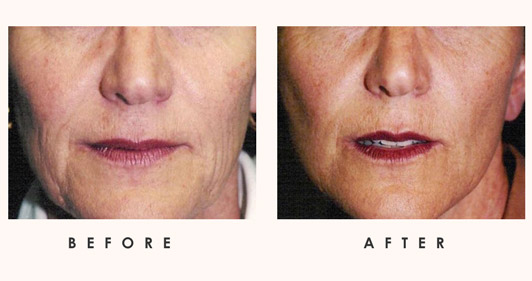
Most patients who undergo a lower facelift report a “refreshed” look with tightened and lifted jowls, double chin reduction, and a smoother contour of the skin over the jawline and neck.
How is Facelift Surgery Performed?
Facelift surgery requires either sedation with local anesthesia or general anesthesia, depending on the duration and technique used for the surgery. A facelift generally takes four to five hours but might require more time if additional cosmetic procedures are done simultaneously.
At Idaho Eyelid and Facial Plastic Surgery, we perform a surgical facial rejuvenation procedure that is less invasive than a deep plane facelift, yet effective. We utilize a short-incision technique (s-lift) to access the deeper layer of muscle and tissue under the skin. This deep layer is known as the Superficial Musculoaponeurotic System (SMAS), and our SMAS tightening procedure provides a safer method to smooth the jawline, reduce the jowls, and create a natural and more youthful appearance.
How Long Until Final Results Appear?
The recovery time is variable and depends upon a number of factors. You can expect visible reduction of facial swelling and bruising after 10 to 14 days. Results are apparent 6-8 weeks after surgery, but healing may continue for at least a year.
What Should Patients Consider before Deciding on a Lower Facelift?
A lower facelift and facelifts in general involve the following risks and possible complications:
- Infection, though rare, is possible.
- Risks/complications related to anesthesia are explained by our CRNA.
- Incisions are usually concealed by a patient’s hairline and fade with time but scarring is possible.
- Swelling and bruising are normal after the procedure and might continue for weeks.
- Facial numbness in the skin is normal. This might be present for months after the surgery and may even be permanent.
- Facial nerve injury is rare but serious. Our less invasive approach minimizes the risk.
- Skin loss is exceedingly rare but can occur due to poor blood supply. Smokers are particularly at risk.
Lower Facelift Cost in Boise
The cost of lower facelift surgery in Boise depends on the surgical technique, length of the procedure, anesthesia, and whether additional procedures are performed at the same time. Anesthesia is an additional fee and depends on the duration of the surgery.
Why Patients Trust Us
Mark Boerner, MD, and Chad Jackson, MD, are oculofacial plastic surgeons and eyelid experts with specialized knowledge of the delicate structures and anatomy of the face. That expertise guides their approach to the lower face, jawline, and neck. Their goal is to reduce sagging jowls and loose skin while maintaining a natural-looking result.
Frequently Asked Questions
Schedule a Lower Facelift Consultation in Boise
If sagging skin, jowls, or loss of jawline definition are changing the appearance of your lower face, schedule a consultation at Idaho Eyelid & Facial Plastic Surgery. Meet with our oculofacial plastic surgeon to discuss your concerns, evaluate your facial anatomy, and determine whether lower facelift surgery is right for you.